Kategori: Bookkeeping

  • 7 Best Invoicing Software for Freelancers Free & Paid Tools

    freelancers happy with invoice system

    The new FreshBooks also offers an invoice app for mobile, both iOS and Android, so self-employed professionals can run their businesses anytime, anywhere. While you might start by learning how to make an invoice in Microsoft Word, eventually you’ll want to transition to an invoicing software or invoice generator that automates some of the work. The invoice platform should offer an analysis process that enables users to track the status. It enables users to analyze the data and generate customized reports.

    freelancers happy with invoice system

    Create, Collaborate, and Achieve more with Projects

    What happens if the tool goes down, or you decide to switch later? Many freelancers forget to check if their invoicing tool offers regular backups or allows them to export their data, including invoices, client information, and payment history. Always pick a tool that gives you full control and ownership of your data. Freelancing often starts small, but your client list and income can grow quickly.

    Is my data secure when I use Wave?

    You can easily have your client e-sign a contract or approve a proposed estimate before you start working, which can provide some much-needed stability to your freelance career. An invoice generator helps freelancers generate invoices in less time. Moreover, they are highly customizable, allowing professionals to create invoices according to their specific needs. Wave Invoicing is the best invoicing software for small businesses.

    Professional Header and Contact Details

    Choosing an invoicing tool that doesn’t offer a reliable mobile app or responsive web access can slow you down. Always check for strong mobile support so you can send invoices and check payment statuses from anywhere. If your clients can’t pay directly through the invoice, you’re adding friction to the process, and that can delay payments. A common mistake is choosing software that lacks integrations with popular payment gateways, such as PayPal, Stripe, or bank transfers. Make sure your chosen tool lets clients pay easily and securely, right from the invoice.

    Features and benefits of Invoicera

    freelancers happy with invoice system

    But despite the extensiveness of functionality, Paymo still maintains a startup feel — in the good way. For example, the introductory email we received allowed us to send a direct reply to the CEO. To accomplish this, we signed up for trial accounts with 10 different online invoicing companies. The insights uncovered will directly inform smarter business decisions and more profitable client engagements. Expect rates on the higher end for more limited-scope sole proprietors though.

    • Invoice Ninja is unique compared to the other options I’ve already discussed.
    • The best invoicing software comes down to cost, limitations and features that make it easier for freelancers and small businesses to get paid for their work.
    • Create and send professional invoices to your customers in seconds.
    • And you can track and send as many invoices as you want to those clients.

    The smooth running and long-term survival of a company depend to a large extent on the regularity and conformity of its accounting processes. And among the various accounting operations that cannot be ignored is the reconciliation of invoice and delivery note. Besides that, taxes for revenue exist because a country (shall) provide value to you (like safety or administrative stuff, like debt collection). Interestingly, however, increased govt revenue is not correlated with long-term increased economic output or GNP. (Of course, govt revenue will increase temporarily whenever taxes increase.) Most of the highest tax nations have mediocre national output.

    • You can create everything from Proposals, SOWs, and full contracts within Bonsai that all link to the same customer.
    • Use custom logos, color schemes, and personalized thank-you notes to reinforce your brand.
    • Designed for growth-oriented businesses, Moon Invoice alleviates the burden of managing business finances.
    • Square invoices are the best for small businesses and freelancers.
    • Let’s look at the must-have components of invoicing software for freelancers that will maximize their value for your growing business.
    • Intuitive configuration will help you to customize everything that you need – from your company and currencies to customer and invoices.
    • For a more streamlined approach, dedicated accounting software or online invoicing platforms automate numbering, reducing errors and simplifying financial management.
    • Crunch’s basic invoice software package is free and is an ideal choice for freelancers who are just starting out or have fairly basic invoicing needs.
    • It doles out countless frivolous contracts to fulfill the gargantuan military budget.
    • For the cost of a large cup of coffee, you could get access to all the tools you need to own your business admin and make freelance life simpler.
    • The best overall deal is Invoice Ninja, which offers unlimited invoices and clients for $10 per month.
    • You can also use SimplyBill to form your quotes and convert them into invoices, as well as save them as PDFs.

    Paid plan users can add custom fields to invoices and they can set up milestone-based invoices for longer projects. Square Invoices offers a free or low-cost plan for online and in-person invoicing, making it one of the best billing software options for any small business. Bloom’s freelancer invoice system is designed to streamline cash flow your invoicing process. From customizable freelance invoice templates to simple, free invoice templates, we provide the tools you need to create clear, professional invoices.

    freelancers happy with invoice system

    If you haven’t already, it’s time to explore an invoicing system that meets your needs and https://supremegutters.co.za/2023/12/29/remote-books-online-reviews-read-customer-service-4/ helps your freelance business thrive. Yes, freelancers should send invoices to clients to get the on-time payment. They must use invoice software like Moon Invoice instead of manually creating.

    Interim Invoices

    The $15-per-month plan limits you to 20 freelancers happy with invoice system invoices per month, but there’s no limit to the number of clients you have. To get project and expense tracking, you’ll have to upgrade to the highest-priced plan ($80 per month). Forbes Advisor found the most affordable (and free) options that rank highly in value, features and tools, making them the best billing software solutions available.

  • Which Payroll Taxes Are Paid by Employers Only?

    employers responsibilities for payroll do not include

    New businesses may be assigned a standard rate until they establish an employment record. Even a very small business with a few HOA Accounting employees can benefit from having someone else take care of payroll tax responsibilities. Just remember that whoever does payroll and deals with payroll taxes, the responsibility is ultimately yours as the business owner. The best way to make sure that payroll taxes are withheld, accounted for, reported, and paid is to set up a system that works automatically.

    Personal Responsibility for Payroll Taxes

    • The requirements for depositing, as explained in Publication 15, vary based on your business and the amount you withhold.
    • Some states may offer exceptions for very small businesses, sole proprietors, or certain industries, but for many employers, it’s a legal requirement.
    • Not carrying the required coverage can result in significant penalties, including fines, stop-work orders, and criminal charges in severe cases.
    • The State Unemployment Tax Act (SUTA) helps fund unemployment insurance programs at the state level.
    • Payroll taxes are those taxes you have to consider when you pay employees.

    Having a business, even a corporation, does not relieve company employees, executives, or owners from personal responsibility if payroll taxes are not paid. For example, if you are a single-member LLC, you are the sole owner of the business and you have personal responsibility for these taxes. When it comes to payroll taxes, what you employers responsibilities for payroll do not include don’t know really can hurt you. Missteps with employer-only taxes such as overlooking a required payment or filing late can lead to fines, back payments, and audits. You don’t need to be a payroll expert to stay on top of your employer tax obligations, but it’s important to understand which tax responsibilities fall solely on your business. These taxes should not be deducted from an employee’s wages, and failing to calculate or pay them properly can result in fines, interest, or penalties.

    Payroll Taxes Shared Between Employers and Employees

    employers responsibilities for payroll do not include

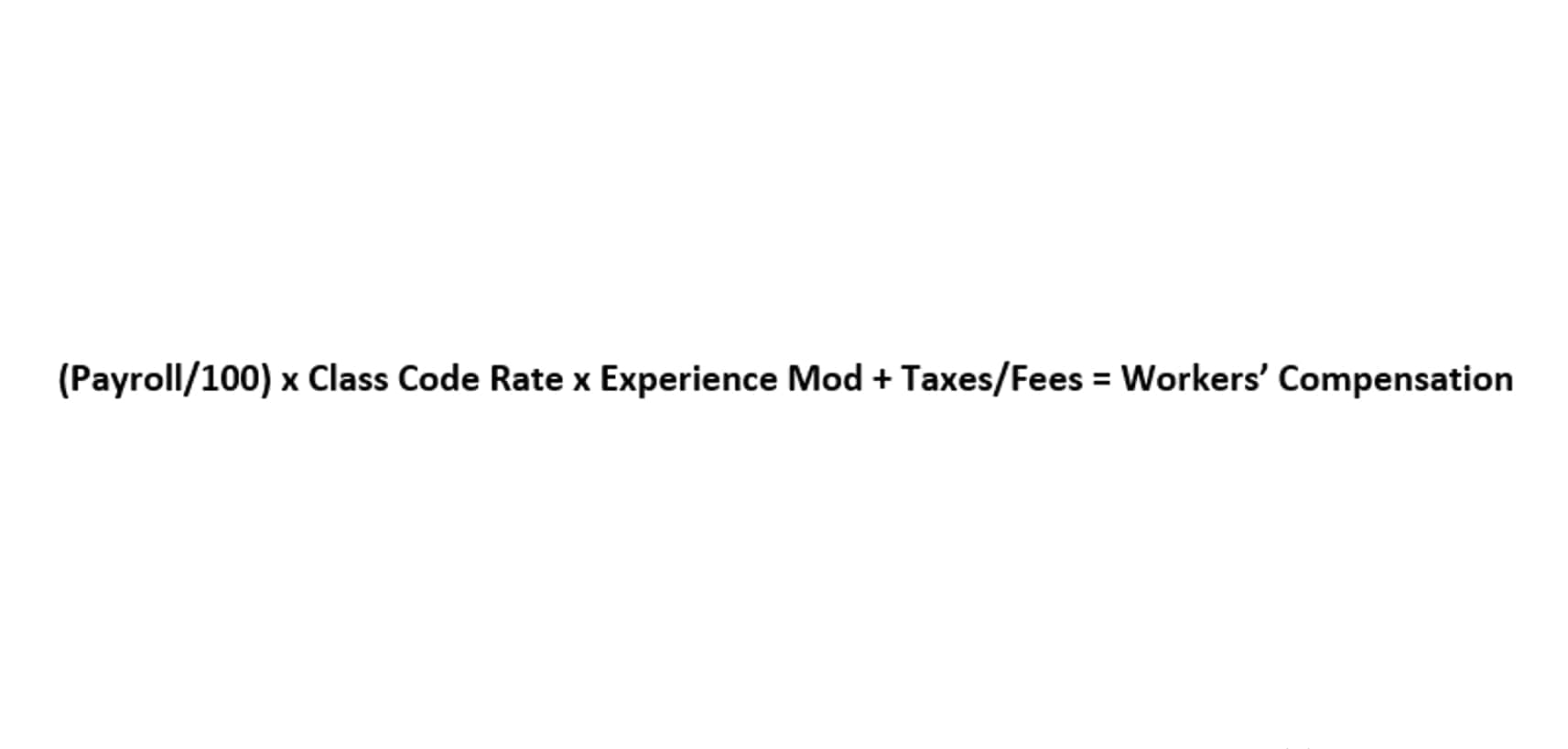
    Workers’ compensation insurance helps provide financial support for employees who experience job-related injuries or illnesses. These taxes are still part of your overall payroll obligations, but employees bookkeeping also contribute through paycheck withholdings. FUTA is designed to work in tandem with state unemployment taxes, also known as state unemployment insurance (SUI). If your business qualifies for the maximum state tax credit, you may receive a credit of up to 5.4%, effectively lowering your FUTA rate to 0.6%. This varies from state to state, so be sure to check the rules in your state. Employers are responsible for paying Federal Unemployment Tax Act (FUTA) taxes.

    employers responsibilities for payroll do not include

    What are Payroll Taxes?

    employers responsibilities for payroll do not include

    That means more time to focus on growing your business and fewer worries about missing a deadline or making a costly mistake. Employees’ federal, state, and local income taxes are their responsibility; the money comes out of their wages. However, employers are responsible for calculating, withdrawing, and remitting employees’ income taxes. In general, you must deposit federal income tax withheld as well as the employer and employee Social Security and Medicare taxes and FUTA taxes. The requirements for depositing, as explained in Publication 15, vary based on your business and the amount you withhold. Employers generally must withhold federal income tax from employees’ wages.

    • Employers generally must withhold Social Security and Medicare taxes from employees’ wages and pay the employer share of these taxes.
    • As the employer, you’re responsible for paying half of that amount (7.65%), while the other half is withheld from your employee’s paycheck.
    • Once you have a handle on which payroll taxes are your responsibility, it becomes easier to recognize the importance of staying up to date on federal and state tax laws.
    • In case you wondered, the terms “payroll taxes” and “employment taxes” are basically the same.

    These taxes are entirely employee-paid, but it’s your responsibility to calculate, withhold, and send those payments to the proper tax authorities. In this case, your role is all about accurate administration and timely remittance. While not a payroll tax, workers’ compensation insurance is another important employer-paid expense tied directly to having employees on your payroll.

    Jean earned her MBA in small business/entrepreneurship from Cleveland State University and a Ph.D. in administration/management from Walden University. Forms W-2 are required to be e-filed by filers of 10 or more in a calendar year. Individuals who process Forms W-2 may e-file Forms W-2 directly with the Social Security Administration through their Business Services Online.

    employers responsibilities for payroll do not include

    Struggling with Financial Accounting?

    employers responsibilities for payroll do not include

    As the employer, you’re responsible for paying half of that amount (7.65%), while the other half is withheld from your employee’s paycheck. Employers’ responsibilities and rates vary by state, but in most cases, workers’ compensation coverage is mandatory once you hire even a single employee. Some states may offer exceptions for very small businesses, sole proprietors, or certain industries, but for many employers, it’s a legal requirement.

  • What Is Amortization? Types, Examples, and Importance

    doctrine of amortization

    Borrowers pay more interest early in the loan term, reflecting the higher outstanding balance. Amortization schedules are essential tools, providing a detailed breakdown of loan payments over time. They illustrate the distribution of each payment between interest and principal, offering borrowers a clear picture of their financial commitments. This transparency aids in budgeting and forecasting, allowing for effective cash flow planning. Don't assume all loan details are included in doctrine of amortization a standard amortization schedule. Straight-line amortization is common for intangible assets, allocating an equal cost to each accounting period over the asset’s useful life.

    doctrine of amortization

    Loan Amortization Formula (Fixed Payment):

    • Despite these limitations, the payback period remains a useful tool for an initial assessment of the Rate of Return and risk of investments.
    • With declining balance amortization, the repayment or depreciation amounts decrease over time.
    • The aim of amortization is to repay the entire amount in full by the end of the term.
    • Both the interest and part of the original loan amount (principal) are repaid.

    For example, if you stretch out the repayment time, you'll pay more in interest than you would for a shorter repayment term. On the income statement, amortization appears as an expense, impacting net income. While it does not involve actual cash outflow, it reduces taxable income, thereby affecting a company’s tax liabilities. This is particularly relevant for companies with significant intangible assets, such as patents or copyrights, where amortization can significantly influence reported earnings. The time value of money is another important concept, recognizing that money today is worth more than the same amount in the future due to its earning potential. In loan amortization schedules, interest rates determine how much of each payment goes toward interest versus principal reduction.

    Loan Amortization

    It demonstrates how each payment affects the loan, how much you pay in interest, Oil And Gas Accounting and how much you owe on the loan at any given time. This is a $20,000 five-year loan charging 5% interest (with monthly payments). For example, after exactly 30 years (or 360 monthly payments), you’ll pay off a 30-year mortgage. Amortization tables help you understand how a loan works, and they can help you predict your outstanding balance or interest cost at any point in the future. The amortization period, also known as the “payback period”, is the period of time required to repay an investment or loan in full. It is an important indicator of the Rate of Return of an investment and provides information on how long it takes for the initial costs to be covered by the income generated.

    • This knowledge supports informed decisions aligned with long-term financial goals.
    • Investors rely on these metrics to make informed decisions about the company’s financial health and growth potential.
    • This is a $20,000 five-year loan charging 5% interest (with monthly payments).
    • Sometimes it’s helpful to see the numbers instead of reading about the process.

    Types of Amortizing Loans

    doctrine of amortization

    Balloon amortization involves regular small payments with a large final payment, or “balloon,” at the end of the loan term. This approach benefits borrowers anticipating significant future cash inflows, allowing them to manage smaller payments initially while planning for a substantial final settlement. The energy amortization period is the time it takes for an energy system to generate the amount of energy required for its manufacture, installation and disposal. The word “amortization” comes from Latin and is derived from “amortizare”, which means “to repay” or “to pay off”. It is made up of “a-“, which means “away” or “off”, and “mortis”, which means “death” or “end”.

    • On the income statement, amortization appears as an expense, impacting net income.
    • They often have three-year terms, fixed interest rates, and fixed monthly payments.
    • Amortization schedules also play a role in negotiations and refinancing decisions.
    • Derived from the Latin term “amortire” meaning “to kill off,” amortization historically referred to eliminating a debt over time.

    doctrine of amortization

    To calculate amortization, one typically uses a formula that takes into account both the loan amount and the interest rate. This formula makes it possible to calculate the regular payments required to amortize a loan over a certain period of time by taking into account both interest and repayment. As a non-cash expense, it reduces the book value of intangible assets on the balance sheet, providing a more accurate representation of asset worth over time. This gradual reduction aligns with the principle of conservatism in accounting, ensuring assets are not overstated.

    • The best way to understand amortization is by reviewing an amortization table.
    • They sell the home or refinance the loan at some point, but these loans work as if a borrower were going to keep them for the entire term.
    • While it does not involve actual cash outflow, it reduces taxable income, thereby affecting a company’s tax liabilities.
    • With straight-line amortization, also known as equal or constant amortization, the debt or value of an asset is repaid or depreciated in equal amounts over the entire term.
    • This table summarizes the different types of amortization, their applications, advantages and disadvantages.
    • On your balance sheet, you’ll reduce the value of the patent by the same amount.
    • This is particularly relevant for intangible assets, ensuring their costs are spread over the periods they benefit.

    Over time, the portion toward interest drops, and more of the payment goes to the principal. A well-structured amortization schedule can also help borrowers understand the implications of different payment scenarios. For instance, they can evaluate the impact of making extra payments to assess potential savings on interest and explore ways to shorten the loan term.

    With declining balance amortization, the repayment or depreciation amounts decrease over time. This method is often used to depreciate assets that lose value more quickly in the first few years. Loan Amortization bookkeeping – Distributing loan payments over time, typically comprising both principal and interest. This type of amortization refers to the amortization of intangible assets such as patents, licenses or goodwill. Here, the installment payments are constant, but the interest and principal portion of the payments changes over time.

  • Payroll Accrual: What It Is and Why It Matters for Your Business

    accrue payroll

    He’s paid once a month (payday comes on the last workday of the month) and works 40 hours per week, five days a week. While a company can intentionally extend their payables to suppliers, delaying payment of an accrued expense like accrued wages is more unintentional and stems from mismatches in timing. Next, you have to account for bonuses or commissions your employees are entitled to under the clauses of their individual employment contract.

    • Accurate payroll journal entries are fundamental to maintaining a company’s financial health and ensuring compliance with tax and employment regulations.
    • After you run payroll, the accrual liability amount gets changed into an expense because you’ve paid it.
    • Accrued payroll is how a business accounts for employee wages and related expenses.
    • For instance, let’s say a business pays its employees every two weeks and that an employee, Jane, gets paid $20 an hour and has worked 53 hours over the first 10 days of the current two-week pay period.
    • For example, if $10,000 in wages were accrued, the Wages Expense account would be debited by $10,000, and the Accrued Wages Payable account credited by $10,000.
    • With a well-organized system for income statements, taxes, insurance, etc., small businesses can stay on track.

    Account

    Your accounting team should record all unpaid compensation for a pay period as a http://www.vg-village.ru/forum/33-537-1 liability in their balance sheet. Recording accrued payroll involves systematic steps to ensure accuracy and compliance. The first step is to determine the amount of wages earned by employees during the accounting period but not yet paid. This requires reviewing timesheets, payroll reports, and employee schedules to calculate the total accrued wages. Next, these wages are journalized by debiting the payroll expense account and crediting the salary liabilities account.

    Impact on Financial Statements

    accrue payroll

    Made at the beginning of the new accounting period, typically on the first day of the month, their purpose is to reverse the previous month’s accrual entry. This helps prevent double-counting expenses when actual payroll is processed and paid. For wages and employer-paid benefits, an expense account (e.g., Payroll Expense or Wages Expense) is debited for the total accrued amount, increasing reported expenses. Simultaneously, a liability account (e.g., Accrued Payroll Payable or Wages Payable) is credited for the same amount, acknowledging the company’s obligation to pay these amounts. Paid time off (PTO) includes vacation, sick leave, or personal days employees have earned but not yet used. Companies accrue the monetary value of unused PTO as a liability, reflecting their obligation to pay employees for this time.

    Streamline your payroll processes

    We must implement systems and frameworks to ensure that all records are maintained and accounted for accurately. Accurate payroll monitoring and cash forecasting allow businesses to handle the funds effectively. These http://tvgrimm.com/actors/dave_giuntoli.php predictions mitigate the threat of running out of funds and incurring excessive loan expenses.

    accrue payroll

    This subsequent recording involves debiting the appropriate expense accounts (e.g., Wages https://steel-knife.ru/nb/samooborona-s-nozhem-ot-dvuh-rotvejlerov Expense, Payroll Tax Expense) and crediting the Cash account. The reversal entry ensures that the portion of the expense already recognized through the accrual is not double-counted when the full payroll is later recorded. Once you’ve calculated each employee’s accrued payroll, total the amounts to determine the entire payroll liability for the accounting period. Ensure that these calculations are properly recorded in your financial system to maintain compliance and provide a clear audit trail. Accrual accounting, on the other hand, records income and expenses when they are earned or incurred, regardless of when the money is received or paid. If you provide a service today, you record the income today — even if you won’t see the payment for another month.

    Proposed regulations issued on retirement catch-up contributions

    On the balance sheet, accrued salaries appear under current liabilities in the “Salaries Payable” account, highlighting short-term financial obligations. Analysts use financial ratios, such as the current ratio and quick ratio, to assess a company’s ability to meet short-term liabilities. The recognition of accrued salaries in these calculations can influence perceptions of financial health. In addition, the term accrued payroll can also refer to an accounting method which is used to track and record outstanding payroll expenses for better cost control and budgeting.

    accrue payroll

    Adjusted payroll entries bridge the gap between the last payment for a particular pay period and the date the accountant prepares the company’s financial statements. The cash flow impact of the recognition of accrued wages is similar to that of accounts payable, where the cash remains in the possession of the company until issuance to the employees. Consider additional payroll expenses, such as employer contributions to retirement plans or health benefits, which may require further entries. Adherence to Generally Accepted Accounting Principles (GAAP) ensures consistency and transparency, which are vital for investors and regulatory bodies like the Securities and Exchange Commission (SEC). Let’s take the example of a company in the construction industry which pays its employees once a week based on their hours worked.